
Stop Shoulder Pain: How Stress Overload Affects You & What to Do About It
Stress is one cause of shoulder pain we often overlook, and it’s sometimes responsible for the shoulder pain that seems to come out of nowhere. It turns into that nagging ache, tension, and stiffness in your shoulders isn’t just “part of getting older” – it’s your body’s way of telling you that emotional stress is manifesting as physical pain. These exercises for stress-related shoulder pain can help you manage and alleviate the pain.
Chronic stress triggers a domino effect that starts in your nervous system and radiates outward as follows.
- Muscle tension begins in your neck and shoulders.
- Poor posture develops as you unconsciously hunch forward.
- Breathing patterns become shallow, further tightening chest and shoulder muscles.
- Sleep quality deteriorates, preventing proper muscle recovery.
- Inflammation increases throughout your body, amplifying pain signals.
With targeted exercises designed to address both the physical and stress-related components of shoulder pain, you can begin experiencing relief in as little as 10-15 minutes per day.
With just 15 minutes a day, you can
- Immediately reduce shoulder tension and stiffness.
- Improve your body’s stress response and resilience.
- Prevent future stress-related shoulder pain.
- Boost overall energy and mood throughout the day.
Quick Reference Guide
- Total Time: 15 Minutes.
- Targets: Shoulders, neck, upper back, and nervous system.
- Goals: Pain reduction, stress relief, improved mobility.
The Exercises
Exercise 1: Tension Release Breathing
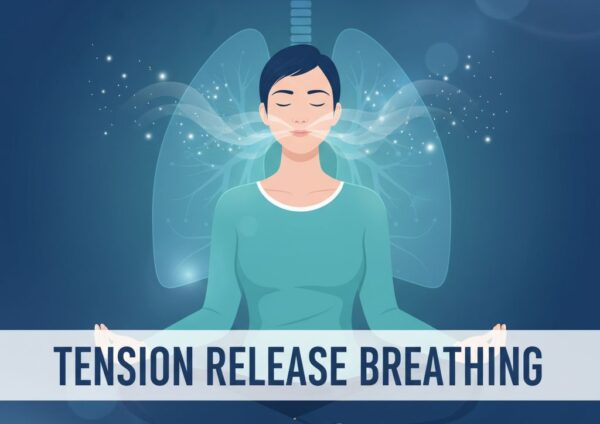
Purpose: Activate your parasympathetic nervous system to reduce overall stress while releasing shoulder tension.
Equipment Needed: None.
How to Do It
- Sit or stand comfortably with your shoulders naturally relaxed.
- Inhale slowly for 4 counts, allowing shoulders to rise gently.
- Hold your breath for 2 counts at the top.
- Exhale for 6 counts while consciously dropping and relaxing your shoulders.
Sets: 3 sets of 8 breaths.
Tip: Focus on making your exhale longer than your inhale – this signals your nervous system to shift into relaxation mode.
Exercise 2: Stress-Point Shoulder Rolls
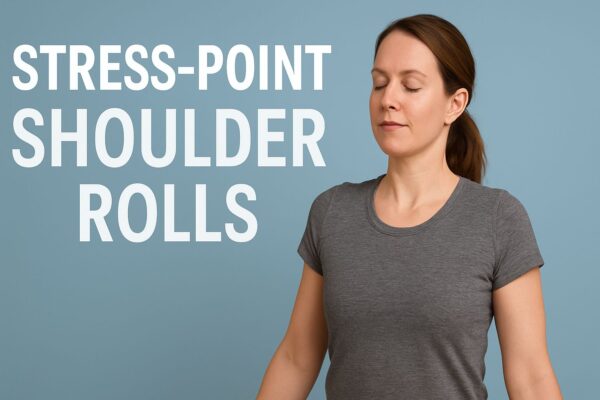
Purpose: Break up tension patterns while improving circulation to stressed shoulder muscles.
Equipment Needed: None.
How to Do It
- Slowly roll your shoulders backward in large, deliberate circles.
- Focus on squeezing shoulder blades together at the back of each roll.
- Pause for 2 seconds at the top of each roll to maximize the stretch.
- Reverse direction and roll forward with the same controlled movement.
Sets: 2 sets of 10 rolls in each direction.
Tip: Move slowly and mindfully – rushing through this exercise won’t provide the stress-relief benefits you need.
Exercise 3: Upper Trap Stress Release

Purpose: Target the primary stress-holding muscles in your neck and shoulders.
Equipment Needed: None.
How to Do It
- Tilt your head gently to the right, bringing your ear toward your shoulder.
- Place your right hand gently on the left side of your head for a deeper stretch.
- Hold the stretch while taking 3 deep, calming breaths.
- Slowly return to the center and repeat on the opposite side.
Sets: 3 sets of 30-second holds per side.
Tip: Never force this stretch – let gravity and your breathing do the work while you focus on releasing mental tension.
Exercise 4: Doorway Chest Opening
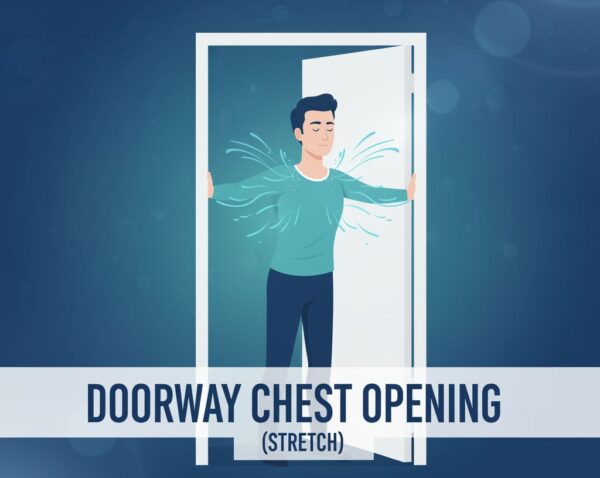
Purpose: Counteract stress-induced forward posture while opening the chest and shoulders.
Equipment Needed: Doorway.
How to Do It
- Stand in a doorway with arms at 90 degrees against the frame.
- Step forward gently until you feel a comfortable stretch across your chest.
- Take slow, deep breaths while holding the position.
- Focus on opening your heart center and releasing emotional tension.
Sets: 2 sets of 45-second holds
Tip: This exercise works on both physical posture and emotional openness – use this time for positive self-talk and stress release.
Exercise 5: Shoulder Blade Stress Squeeze
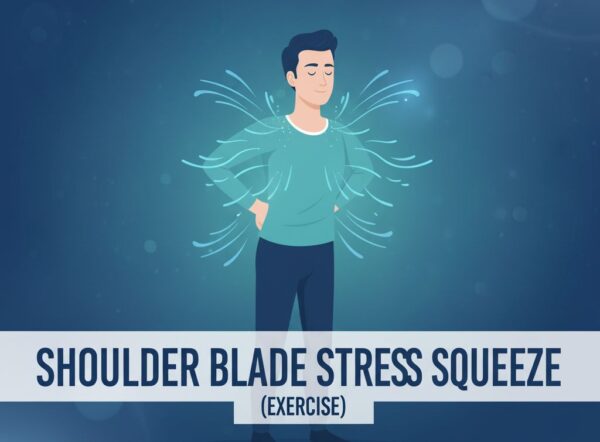
Purpose: Strengthen the muscles that support good posture while releasing tension.
Equipment Needed: None
How to Do It
- Sit or stand with arms at your sides.
- Squeeze your shoulder blades together as if trying to hold a pencil between them.
- Hold the squeeze while taking one deep, stress-releasing breath.
- Release slowly and focus on the feeling of tension melting away.
Sets: 3 sets of 10 repetitions.
Tip: Combine the physical squeeze with a mental “squeeze out” of stress and negative thoughts.
Relieve That Stress
Each day you complete this routine, you successfully train your body to handle stress more effectively. And you also prevent future pain episodes from occurring. Most people notice reduced tension, shoulders that feel lighter, deeper breathing, and an overall decrease in stress levels. Consider this routine your first step toward better stress management and overall wellness.
About the Author: Dr. Joey Seyforth


